
Everything that is not one trade
Commercial Building Repairs in London
Multi-trade repair work for commercial buildings: the jobs that need a joiner and a decorator and an electrician, and that nobody wants to project-manage.
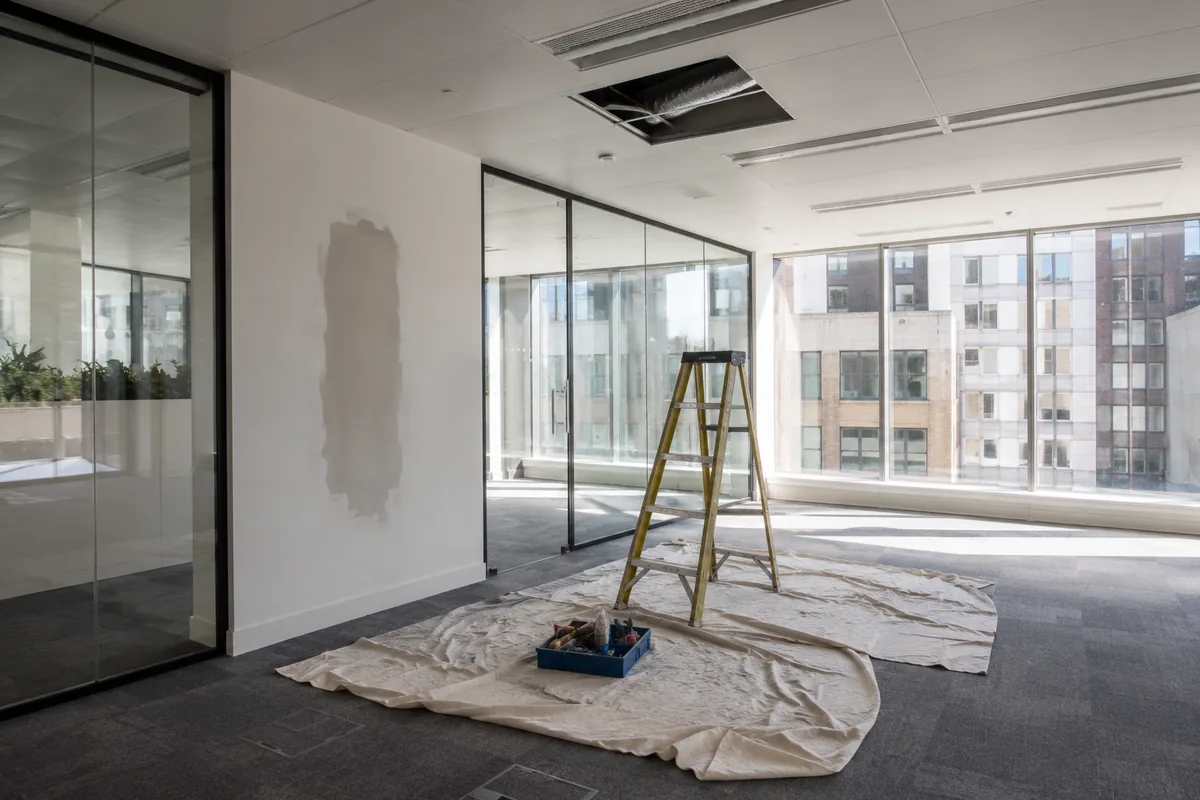
The jobs that fall between contractors.
Every building has a list of them. A damaged ceiling after a leak, which needs a plasterer, a decorator and someone to refit the light. A door that has dropped, damaged the frame and now will not hold its fire seal. A wall that needs making good after cabling.
Individually they are too small to interest a main contractor and too multi-trade for a single specialist. Collectively they are the reason a building looks tired even though nothing is actually broken.
This is the service that clears that list.
What we get asked to put right.
- Making good after leaks, floods, impact damage and cabling works
- Plastering, patching, tiling and finishing
- Joinery: doors, frames, ironmongery, skirtings, partitions, fixtures
- Fire door repairs, closer replacement and intumescent seal renewal
- Ceiling and floor repairs, including suspended ceiling tiles and grids
- External fabric: brickwork repointing, render repair, gutters, downpipes, flat roof patching
- Small works and alterations that do not warrant a project team
Most of this happens in buildings that are still open.
Most of this work happens in buildings that are still trading. Offices with people in them, shops that open at nine, clubs that have a fixture on Saturday.
Work can be phased room by room, floor by floor, or run in the evenings and at weekends. Where a job would disrupt trading, we would rather price it out of hours than pretend it can be done quietly at 11am.
Where repairs stop and projects start.
There is a line, and we are clear about it. Repairs and maintenance keep an existing building working. Once the job becomes a defined-scope project to change the building (a full refurbishment, a fit-out, a strip-out and rebuild) it belongs with Commercial Refurbs London, our project arm.
You do not need to work out which side of the line you are on before you call. We will tell you, and if it is a project we will hand it to the right part of the group rather than stretching a maintenance team across it.
Why this exists
The jobs that are too small for a contractor and too many for you.
Multi-trade in one visit
A damaged ceiling needs a plasterer, a decorator and someone to refit the light. One attendance rather than three appointments.
Batched, not itemised
Keep a running list and we clear it in one mobilisation. Individually these jobs are uneconomic; together they are straightforward.
Priced per job
Fixed price wherever the scope can be defined, so the risk of it taking longer sits with us rather than with you.
Occupied-building working
Evening and weekend working is normal. If a job would disrupt trading we would rather price it out of hours than pretend it can be done quietly.
Insurance-ready documentation
Attendance to make safe, damage documented, and reinstatement quoted in a form a loss adjuster will accept.
A clear line with projects
When a repair turns into a project it moves to Commercial Refurbs London rather than stretching a maintenance team across it.
Who needs this most
Buildings that accumulate a list.

Offices and workspace
Making good after churn: patched walls, marked ceilings, dropped doors and cabling scars, cleared in one evening visit rather than a dozen daytime interruptions.
Maintenance for offices and workspace →
Retail
Impact damage to shopfronts, fixtures and back-of-house areas, priced per job and put right before the doors open.
Maintenance for retail →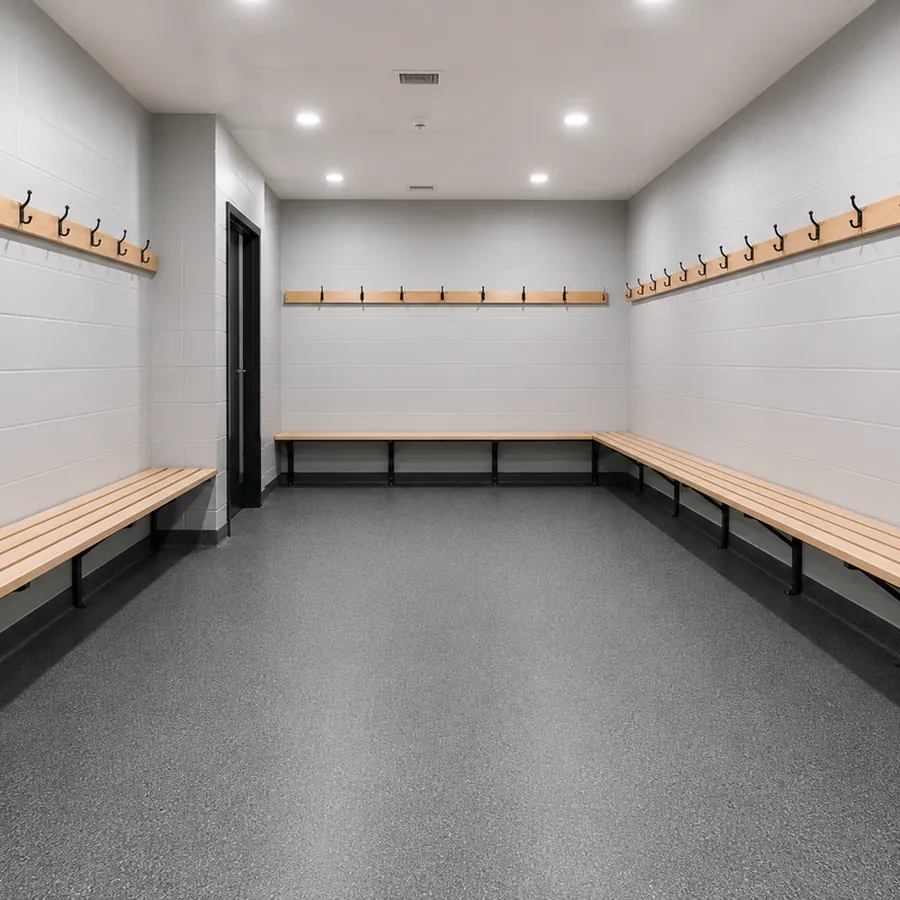
Leisure and sports facilities
Changing rooms, benches, doors and tiling that take a hammering every week, with a close-season window in which the whole list has to be cleared.
Maintenance for leisure and sports facilities →How we work
How we clear a list.
- 01
Walk the list
Go round with you or your site team and record every item, including the ones nobody has bothered reporting.
- 02
Price it, itemised
Each item priced separately so you can decide what happens now, what waits and what is not worth doing.
- 03
One mobilisation
Clear as much as possible in a single visit with the right trades on site together, rather than a series of separate call-outs.
- 04
Sign it off
Walked and signed off with you, with anything outstanding recorded rather than quietly dropped.
Common questions
Questions we get asked about repairs.
Is there a minimum job size?
No, but small individual jobs are more economic batched. Many clients keep a running list and we clear it in a single visit rather than mobilising separately for each item.
Do you price per job or per day?
Per job wherever the scope can be defined, because it puts the risk on us rather than you. Genuinely open-ended work, such as chasing a fault of unknown extent, is priced on time with a cap agreed before we start.
Can you work outside business hours?
Yes. Evening and weekend working is normal for occupied commercial buildings and is priced accordingly. Tell us the constraint and we will build the programme around it.
Do you handle insurance reinstatement work?
Yes. We can attend to make safe, document the damage, and quote the reinstatement in a form an insurer or loss adjuster will accept.
Book a walk round
Tell us about the building. We will do the rest.
What it is, where it is, and which part of running it is causing you grief. We walk the building, write down what is there, and come back with a scope and a price.