
Answered around the clock
24 Hour Reactive Maintenance in London
One number for the things no calendar predicts: a failed heater in January, a leak over a server room, a door that will not lock at closing time.
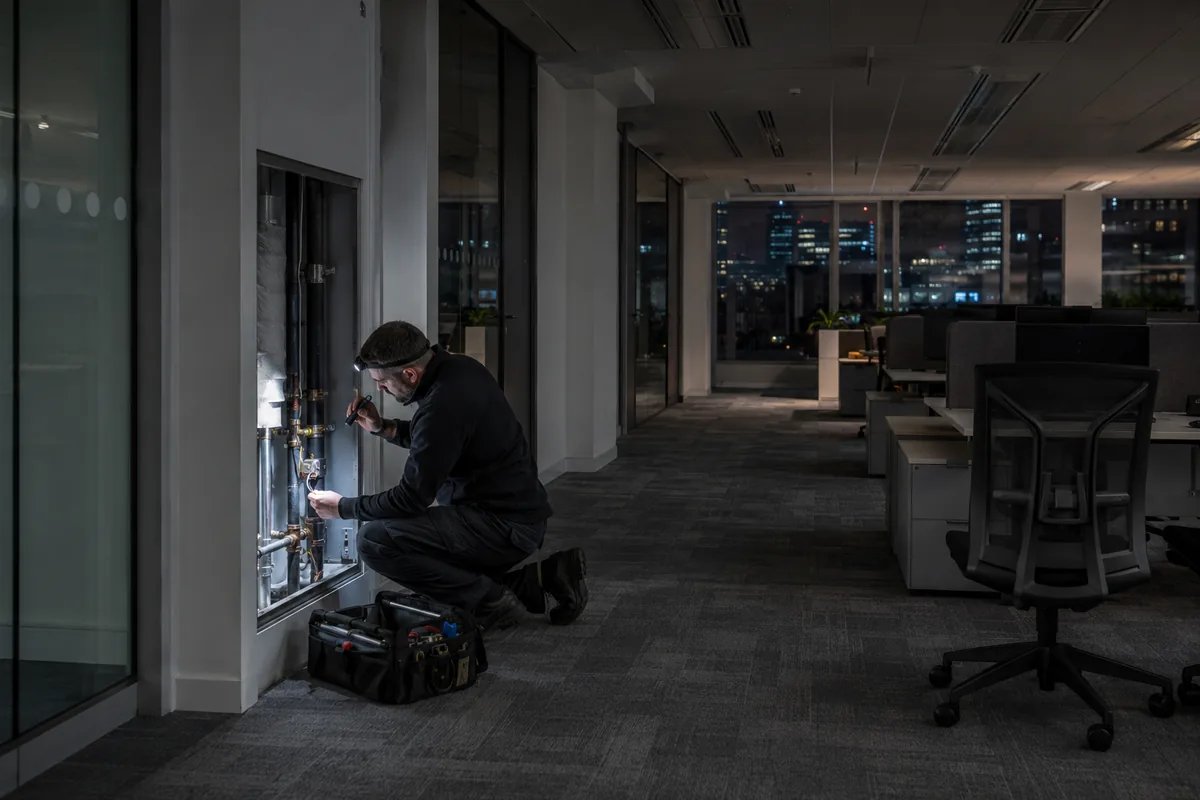
What 24 hour reactive maintenance from Guardian is.
24 hour reactive maintenance from Guardian Management Group is one line, answered by a person around the clock, for the failures in a London commercial building that no calendar predicts: leaks, loss of power, failed heating or cooling, doors that will not lock, broken glazing and fire alarm faults. It is for anyone responsible for an occupied building, office, shop, warehouse, sports club or managed block, who needs a fault logged, attended and closed rather than left on a voicemail. Every call is time-stamped, prioritised against the terms agreed in the contract, assigned to someone who can attend, and closed with a record of what was done. We commit to attending emergencies within 2 hours, urgent faults the same day (within 4 hours) and routine faults within 5 working days. The first job on site is to make safe; the permanent repair is then priced and scheduled, and labelled as a separate step.
Everyone has a 24 hour line. The difference is what happens next.
A reactive call has to be logged so it cannot be forgotten, assigned to someone who can actually attend, given a realistic time rather than a comforting one, and closed with a record of what was done. Most of the frustration with reactive maintenance is not slow attendance. It is not knowing.
Every job we take is time-stamped, owned and closed with an outcome, whether it came in at 10am or 2am, and you are told which response band it is in when it is logged.
What we get called out to.
- Water: leaks, burst pipes, blocked drains, failed pumps, water ingress
- Power: total or partial loss of supply, tripping circuits, failed lighting, emergency lighting failure
- Heating and cooling: boiler and AC failure, no heating, no hot water, overheating server and plant rooms
- Security and access: doors that will not lock or open, failed access control, broken glazing, damaged shutters
- Fabric: ceiling collapse, floor damage, storm and impact damage, making safe
- Fire safety: alarm faults, failed door closers, blocked or damaged escape routes
Make safe first, fix properly second
For most out-of-hours calls the right first move is to make the building safe and stop the damage, not to complete a permanent repair at 3am with the wrong parts on the van.
We will tell you plainly which one you are getting. A temporary fix logged as temporary, with the permanent repair scheduled and priced, is more useful than a permanent repair claimed and not delivered.
Reactive works better attached to planned
Reactive maintenance is a symptom. A building generating a lot of it is usually telling you something about its planned regime, its plant age or its compliance position.
Where we hold both, reactive callouts feed back into the planned calendar, so recurring faults get designed out rather than repeatedly attended. That is the point at which the maintenance spend starts falling.
What good reactive looks like
What happens after the phone is answered.
Answered by a person
Out of hours you reach someone who can log the job and dispatch, not an answering service taking a message for the morning.
Logged, owned, closed
A time stamp, a named owner and a recorded outcome on every job, whether it came in at 10am or 2am.
Response times we commit to
Emergencies attended within 2 hours, urgent faults the same day (within 4 hours), routine work within 5 working days. We tell you which band a job is in when we log it.
Make safe, then fix properly
A temporary fix logged as temporary, with the permanent repair scheduled and priced, beats a permanent repair claimed and not delivered.
We already know the building
Access arrangements, alarm procedures and site notes held in advance, so a 2am attendance does not depend on reaching someone who knows the door code.
Costs agreed in advance
Callout terms and out-of-hours rates agreed up front, so there is no argument about the invoice after a bad night.
Who calls most
Where reactive cover earns its money.
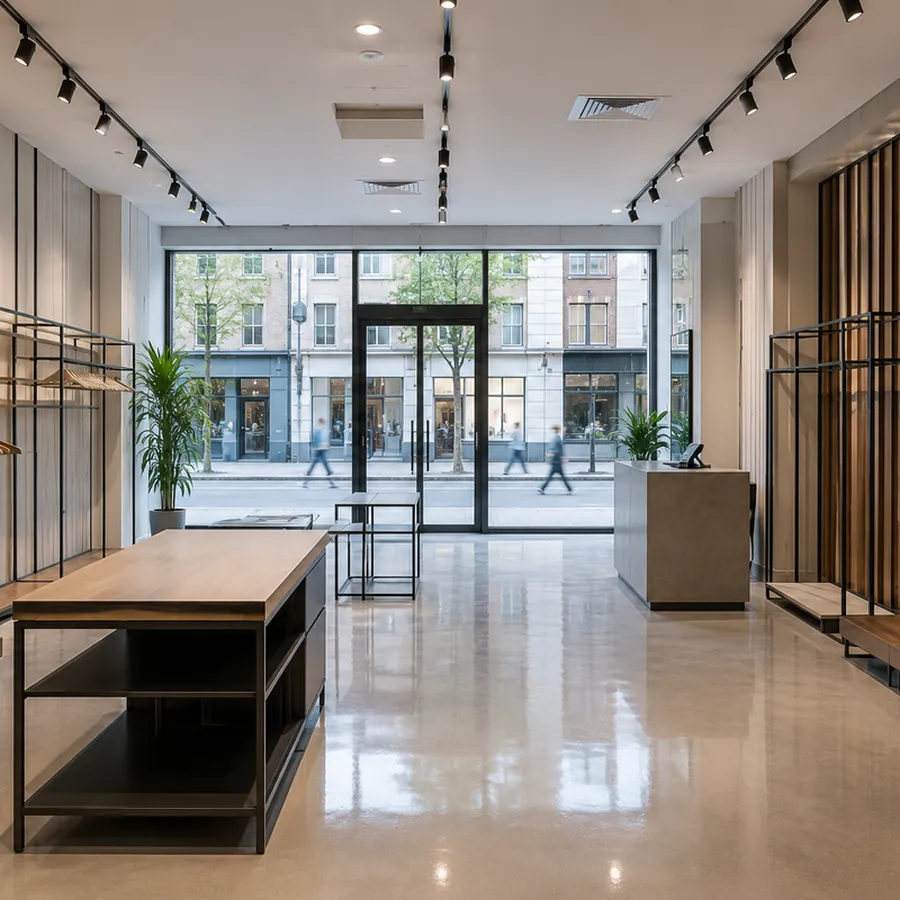
Retail
A shutter that will not open or a shopfront that will not lock is lost trade and a security problem at once. The most time-critical calls we take.
Maintenance for retail →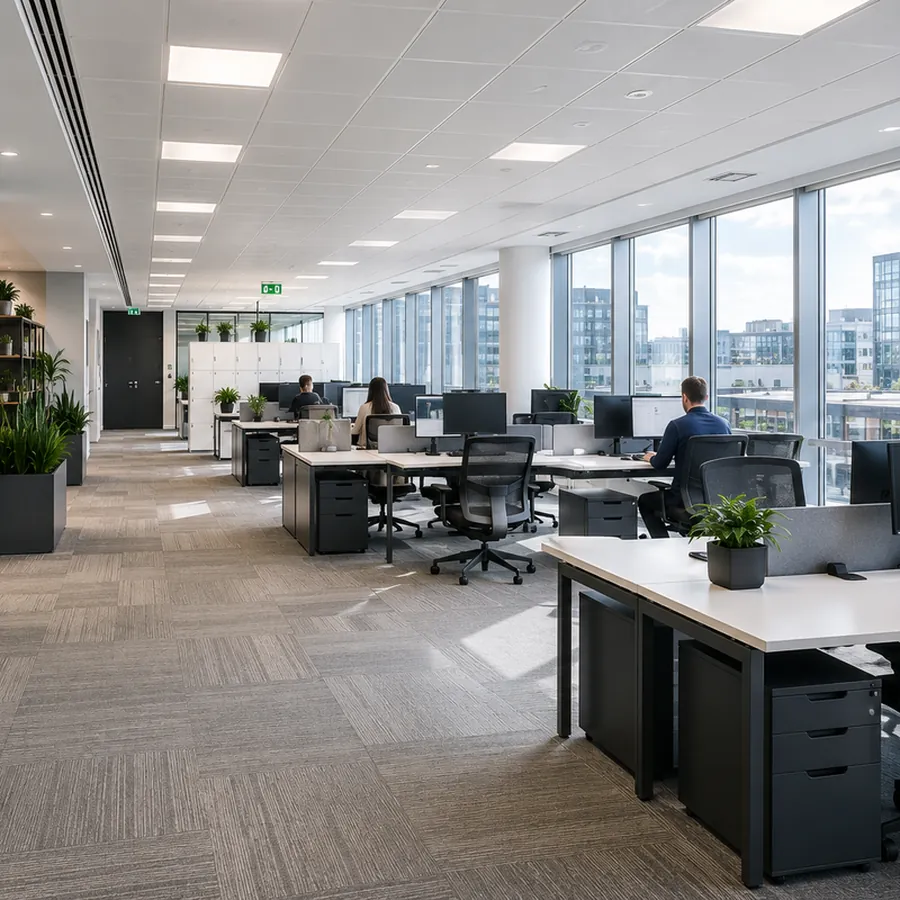
Offices and workspace
Leaks over occupied floors, loss of power and failed cooling in server rooms. Calls that arrive when the building is full and have to be handled around the people in it.
Maintenance for offices and workspace →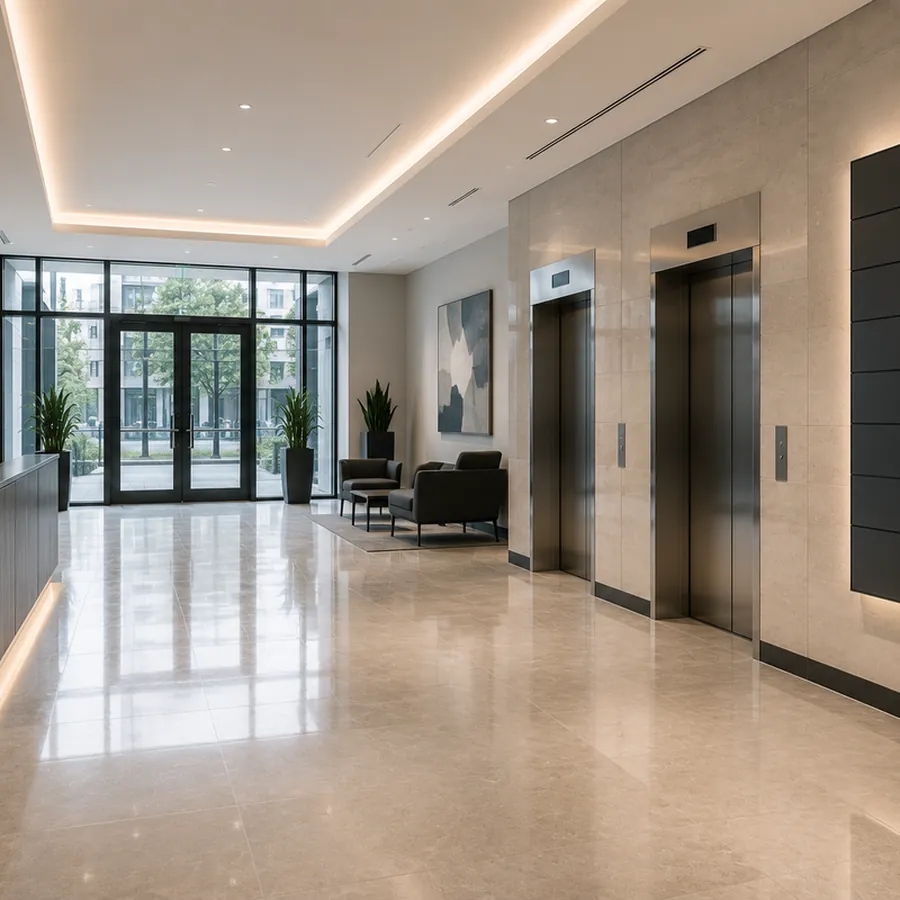
Managing agents and landlords
Out-of-hours calls from tenants and leaseholders across a portfolio, logged and reported so the agent can answer for what happened the next morning.
Maintenance for managing agents and landlords →How we work
What happens when you ring.
- 01
Logged
The job is recorded with a time, a location, a description and a priority, before anyone goes anywhere. Nothing lives in a voicemail.
- 02
Prioritised
Against the priorities agreed in your contract, so nobody is arguing at 2am about whether a leak counts as an emergency.
- 03
Attended
Made safe first: stop the damage, secure the building, restore what can be restored with what is on the van.
- 04
Closed and followed up
A record of what was done, and where the fix was temporary, the permanent repair priced and scheduled rather than forgotten.
Common questions
Questions we get asked about reactive cover.
Is the line answered by a person?
Yes. Out of hours you speak to someone who can log the job and dispatch, not an answering service that takes a message for the morning.
What counts as an emergency, and how fast do you attend?
An emergency is anything affecting safety, security, or the ability to trade: loss of power or water, active leaks, fire safety failures, a building that cannot be locked or cannot be entered. We commit to attending emergencies within 2 hours, urgent faults the same day (within 4 hours) and routine faults within 5 working days. Priorities are agreed per contract so there is no argument about it at 2am.
What is a make-safe repair?
A make-safe repair stops a problem getting worse and secures the building, without necessarily being the final fix. Capping a burst pipe and drying the area is a make-safe; replacing the damaged section of pipe and reinstating the ceiling is the permanent repair that follows. We tell you plainly which one you are getting, and the permanent repair is priced and scheduled rather than left to be forgotten.
Do you charge a callout fee?
Contract clients have callout terms agreed up front, including out-of-hours rates, so there are no surprises on the invoice. Ad hoc callouts are quoted before we attend wherever the situation allows it.
Can you hold keys or access details?
Yes. For contract buildings we hold access arrangements, alarm procedures and site-specific information so an out-of-hours attendance does not depend on reaching someone who knows the building.
Do I need a maintenance contract to get 24 hour reactive cover?
No. Ad hoc reactive callouts are available without a contract, priced per job. A contract mainly buys agreed response times, pre-agreed callout rates and a contractor who already holds your access details and site information, rather than access to the line itself.
Elsewhere on the site
Related services
Planned preventive maintenance
The regime that reduces how often the reactive line rings.
See planned preventive maintenance →Commercial plumbing and drainage
The single most common source of out-of-hours calls.
See commercial plumbing and drainage →Building repairs
Permanent repairs following a make-safe attendance.
See building repairs →Emergency call out
What to do first, what to tell us, and how the call is banded and charged.
See emergency call out →Book a walk round
Tell us about the building. We will do the rest.
What it is, where it is, and which part of running it is causing you grief. We walk the building, write down what is there, and come back with a scope and a price.