
Delivered by Guardian Property Management
Property and Estate Management
Managing a building is a different job from maintaining one. The group does both, through two teams that talk to each other.
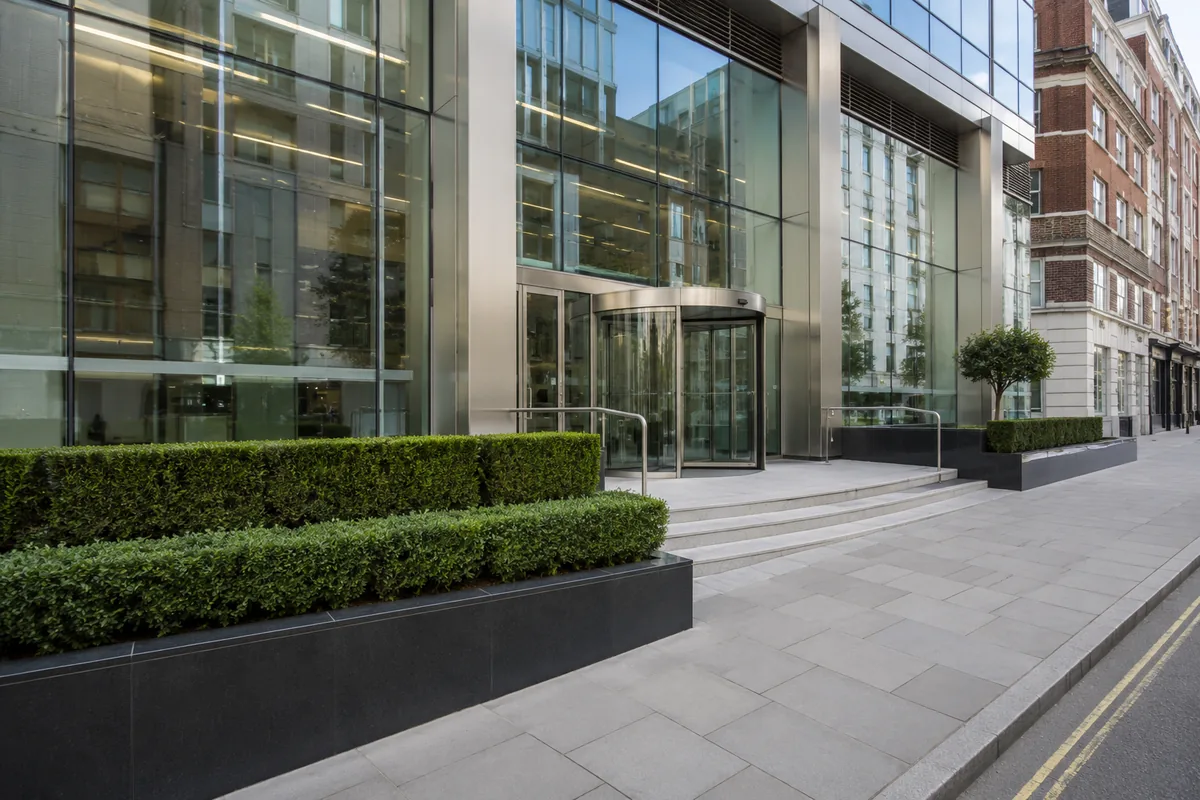
What this covers
Estate and block management covers the ownership side: service charges, leases, budgets, section 20 consultations, insurance, contractor appointment and the day-to-day relationship with leaseholders and tenants.
Facilities management covers the physical side: keeping the plant running, the compliance in date and the fabric sound. Most buildings need both, and the friction usually sits in the handover between them, which is the main argument for having them under one roof.
Service charge work is the spine of block and estate management. The managing agent sets the annual budget from the lease provisions and the building's real running costs, demands and collects the contributions, pays the contractors and the insurers, and accounts for the year at the end so leaseholders and tenants can see where the money went. Where the accounts have drifted, the first job is to get the budget, the demands and the actual spend back in line with each other and with the lease.
Lease administration is the part nobody notices until it goes wrong. Who repairs what, who insures what, what counts as a common part and what sits inside a demise, what the landlord may recover and what it may not: all of it is in the lease, and a managing agent who reads the lease before answering the question saves the argument later. Guardian Property Management holds the lease position for each building it manages and applies it consistently, which is most of what leaseholders mean when they ask for a fair managing agent.
Section 20 consultation applies to qualifying works and long-term agreements on residential leasehold property. Where works will cost any one leaseholder more than the statutory threshold, the landlord must consult in the prescribed stages before the money can be recovered through the service charge. Getting the notices right and in the right order matters, because a consultation done badly caps what can be recovered. The property arm runs the consultation, and where Guardian's maintenance team is pricing the works it produces the estimates in a form that fits the notices rather than complicating them.
Insurance placement and claims handling sit with the managing agent because the building's insurance is usually the landlord's to arrange and the leaseholders' to pay for. The property arm places the cover, keeps the reinstatement valuation current, and when something happens, the water leak or the impact damage, it runs the claim. Where Guardian attends to make safe, the damage is documented on the day in the form a loss adjuster expects, which shortens the claim.
Contractor appointment and management is where a managing agent's time usually goes. The property arm can appoint any contractor the building needs and manage them on the leaseholders' behalf; where the maintenance, compliance and reactive cover come from Guardian's own facilities team, the appointment is simpler and the reporting arrives in one format, coded by building and by schedule so it drops into the service charge accounts without rework. Using the group for one does not oblige a building to use it for the other.
Leaseholder and tenant liaison is the daily reality: the query about a charge, the report of a fault, the request for consent to alter, the neighbour dispute. The value of having the managing agent and the maintenance contractor in one group shows up here, because the person who takes the report can see when the job was logged, who attended and what was done, and answer without a second phone call.
- Block and estate management
- Service charge budgeting, collection and accounting
- Lease administration and compliance
- Section 20 consultation
- Insurance placement and claims handling
- Contractor appointment and management
- Leaseholder and tenant liaison
Who runs it
Guardian Property Management is the group's property arm and a trading style of Guardian Management Group Ltd. Where it manages a building, the maintenance, compliance and reactive cover can be delivered by Guardian Facilities Management under the same roof: one budget, one reporting line, no gap between the managing agent and the contractor.
Guardian Property Management (opens in a new tab)
If it is easier, start with us instead. Tell us what the building needs and we will put you in front of the right part of the group. You will not have to explain it twice.
Common questions
Questions we get asked.
What does a managing agent actually do day to day?
Sets and collects the service charge, keeps the lease position for the building, arranges the insurance, appoints and manages contractors, runs any statutory consultation, keeps the compliance evidence, and answers leaseholders and tenants. The maintenance itself is done by contractors the agent appoints, which in the group’s case can be Guardian’s own facilities team.
What is a Section 20 consultation?
A statutory process under the Landlord and Tenant Act 1985 that a landlord of residential leasehold property must follow before carrying out qualifying works or entering a long-term agreement, where the cost to any one leaseholder exceeds the threshold. It runs in prescribed stages with notice periods, and if it is not followed the amount recoverable through the service charge is capped. Guardian Property Management runs the consultation and can price the works in a form that fits the notices.
If Guardian manages our building, do we have to use Guardian for maintenance?
No. The property arm appoints whichever contractors suit the building, and an incumbent you are happy with stays. Where the maintenance does come from the group, the benefit is one reporting line and invoicing coded for the service charge accounts, but it is a choice, not a condition.
Is this the same as facilities management?
No. Facilities management keeps the building physically working: plant, compliance, repairs and cleaning. Property management runs the ownership side: service charges, leases, insurance and the relationship with leaseholders. Most buildings need both, and the group runs them as two teams under one roof so the handover between them does not become the gap where things go missing.
Book a walk round
One group, one conversation.
Five companies, one number. Tell us what the building needs and the right team picks it up. You will not have to explain it twice.